
All-season tires are experiencing a period of significant growth. More and more drivers are choosing them for the convenience of having a single set of tires that can be used all year round, without having to change them seasonally.
But are they really worth it? In this article, we analyze what they are, their advantages and disadvantages, when they are a smart choice, and when it is better to opt for dedicated summer or winter tires.
We will also discover the most interesting models for 2024–2025 and the reasons why the market is increasingly favoring this solution.
All-season tires are designed to offer balanced performance in different weather conditions.
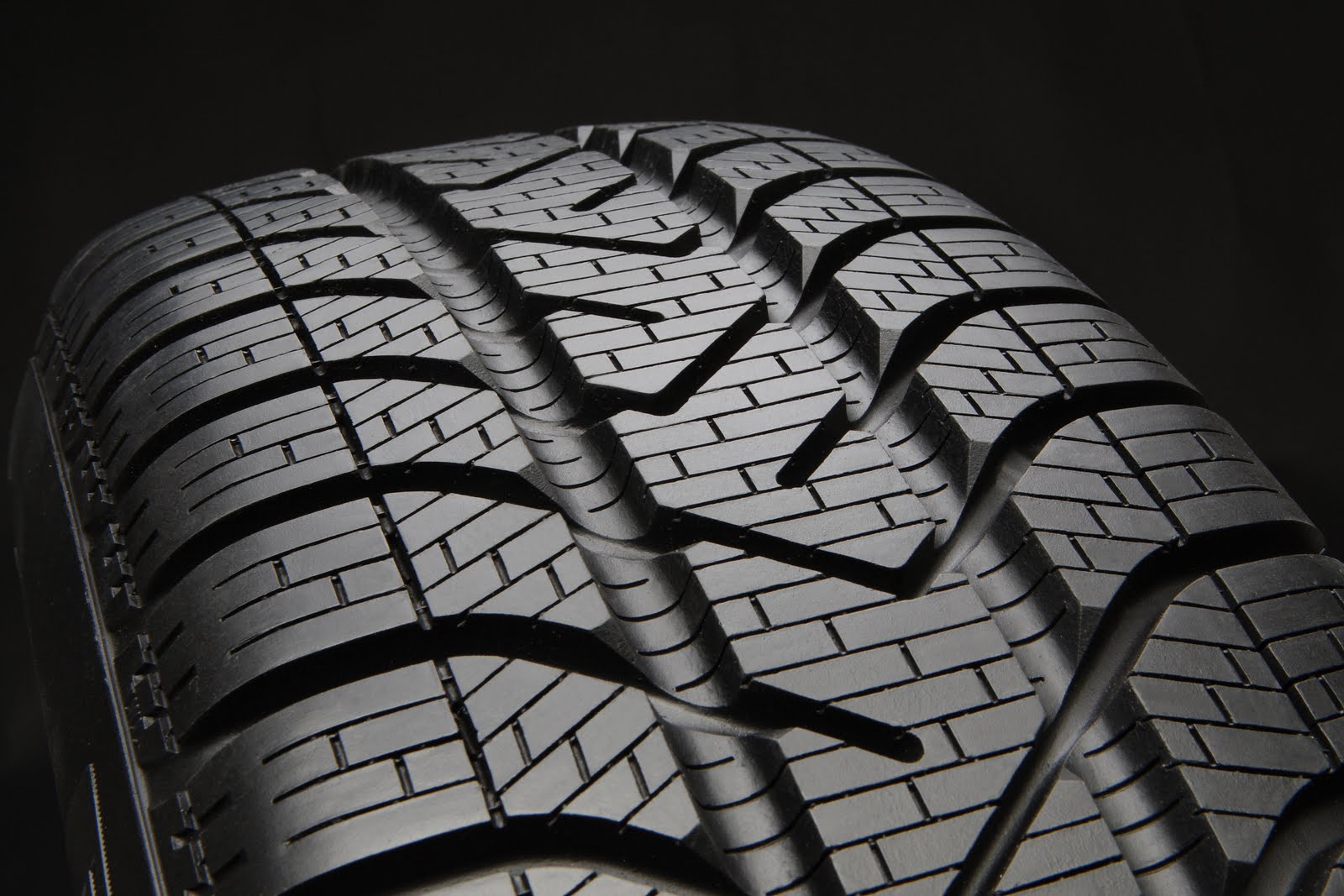
Their compound is a compromise: harder than winter tires to withstand heat, and softer than summer tires to ensure grip in cold and wet conditions. The tread is designed with sipes and drainage channels that ensure grip in rain and light snow, without compromising too much on dry driving.
They can be recognized by two basic markings, which are also used for winter tires:
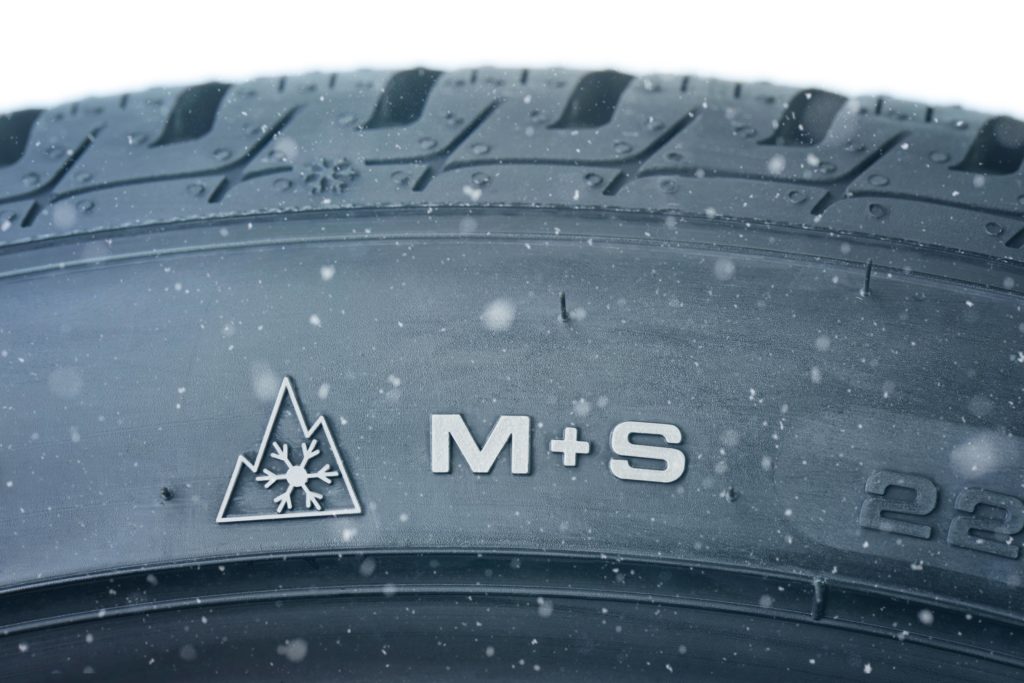
It is important to note that all-season tires do not achieve the maximum performance of summer tires at 40°C on asphalt, nor that of winter tires in heavy snow. However, for many Italian drivers, they represent a smart compromise.
All-season tires are the perfect choice for a specific type of driver:
However, they are not recommended for those who live in the mountains, often encounter snow and ice, or travel long distances on the highway: in these cases, two dedicated sets of tires (summer and winter) remain the safest and most economical choice.
From an economic point of view, a set of all-season tires seems more convenient in the short term, with an initial saving of 35–40% compared to two seasonal sets.
However, when considering a period of several years, the difference is reduced: summer and winter tires, although costing about 55% more over 5 years (€1,850 vs. €1,200), guarantee significantly higher performance, less wear and tear, and an estimated fuel saving of around 5% per year.
In practice, all-season tires offer convenience and lower costs in the short term, but dual tires remain the best performing and most durable choice in the long term.
To ensure durability and safety, regular maintenance is essential:
Electric cars have specific requirements: they weigh more, have immediate torque, and need tires with low rolling resistance.
Many latest-generation all-season models meet these requirements with reinforced structures, optimized treads, and dedicated technologies (such as the Elect or ENLITEN versions).
For urban electric vehicles, all-season tires are an ideal choice, provided that maintenance and rotation rules are followed.
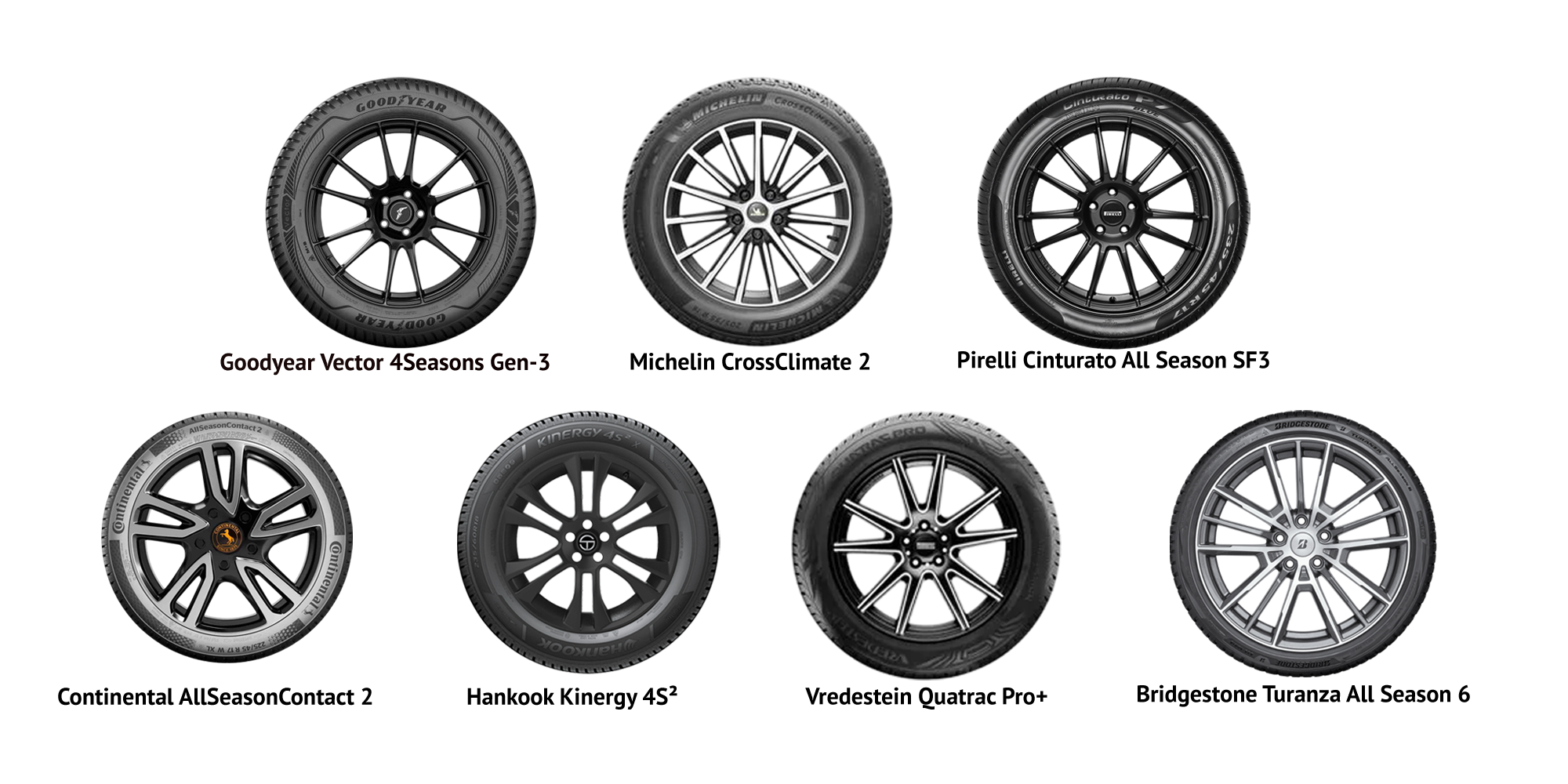
In Italy, all-season tires have reached almost 30% of total sales, with over 4 million units sold in 2023.
The trend is also on the rise in Europe, where growth of over 14% is estimated by 2025. This success reflects the higher quality of the products and the growing demand for practical solutions.
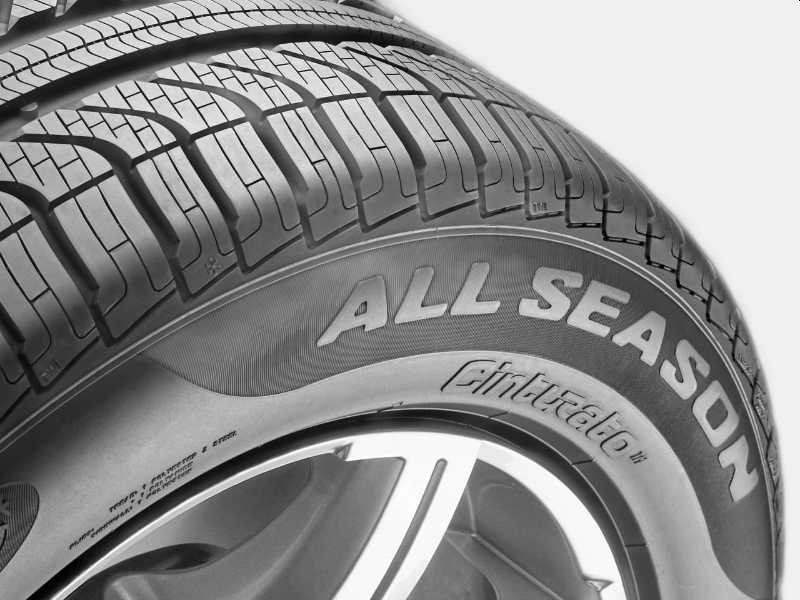
For safety and quality, it is essential to purchase from authorized dealers.
At CambioRuote.com, you will find a complete selection of all-season tires from the best brands with:
All-season tires are not a universal solution, but for many Italian motorists, they represent the right compromise: practical, safe, and increasingly high-performing.
The perfect choice for those who drive short distances, mainly in the city, and live in areas with a mild climate.
Discover the selection of all-season tires at CambioRuote.com
The Type of the car is a code that the producer assigns to each vehicle in order to distinguish it from similar models.
You can find this code in the italian registration certificate in two places: At point D.2, Vehicle type, or at point E, vehicle identification number.
If you need help, contact us via WhatsApp at 345 0634873